


Lophophora Fricii Plants
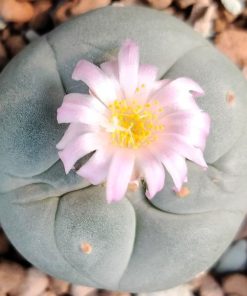
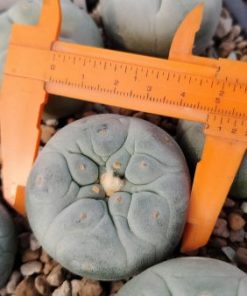
Lophophora Fricii Plants
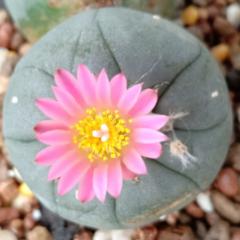
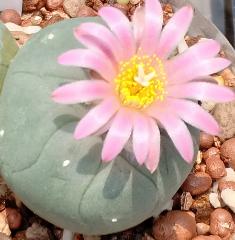
Lophophora Fricii Plants
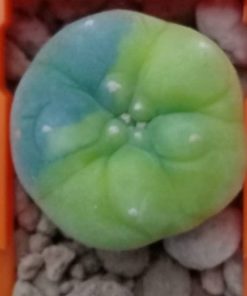
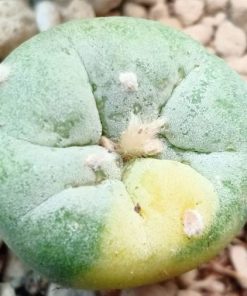
Lophophora Fricii Plants
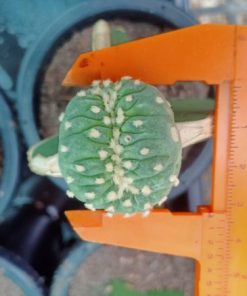
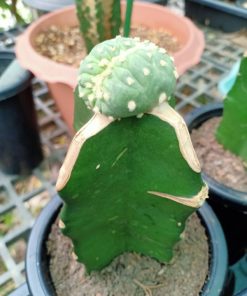
Grafting plants
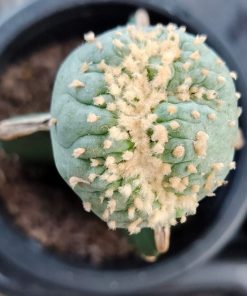
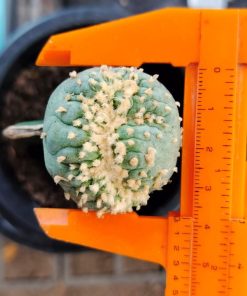
Lophophora vairety mini Fricii Cristata Grafted on Hylocereus
Grafting plants
Lophophora variety mini Fricii Cristata Grafted on Hylocereus
Top Soil Mixes for Healthy Lophophora Fricii – Gritty, Drain‑First Soil for Peyote‑Type Cacti
We built Top Soil Mixes for Healthy Lophophora Fricii for growers who want to stop guessing with soil and start seeing real growth.
If you’ve ever watched a Lophophora fricii slowly rot in a pot, or a button‑like cactus sitting dormant for months, the problem almost always starts with the soil.
This mix is made specifically for Lophophora fricii and other slow‑growing, spineless peyote‑type cacti so they don’t just survive – they thrive.
What’s Inside Our Lophophora Fricii Soil Mix?
Our Top Soil Mixes for Healthy Lophophora Fricii is a gritty, mineral‑heavy blend that mimics the limestone‑rich desert it’s adapted to. That means:
-
High proportion of inorganic matter – pumice, lava rock and coarse sand dominate.
-
Low organic content so water drains fast and doesn’t sit around the base.
-
Enough structure to support that massive taproot without compacting.
This is not a fluffy “all‑purpose” potting mix. It’s a desert‑style gritty mix that keeps the roots dry between waterings while still holding just enough moisture for Lophophora fricii.
SEO‑friendly LSI keywords: spineless cactus soil, peyote button potting mix, Lophophora fricii substrate, mineral‑based cactus mix.
Why This Soil Works for Lophophora Fricii
Lophophora Fricii and Its Natural Habitat
Lophophora fricii is a slow‑growing, spineless cactus from the Chihuahuan Desert with a big, carrot‑like taproot hidden under the soil.
In the wild, it grows in rocky, limestone‑rich ground that drains almost instantly.
Our Top Soil Mix recreates that exact environment in a pot.
On this mix, you get:
-
Zero waterlogging. The roots can’t sit in soggy soil, which is where Lophophora fricii usually starts to rot.
-
Excellent air flow. The gritty structure lets oxygen move through the root zone, so the plant stays healthy even in humid climates.
-
Stable base for taproots. It lets the taproot stretch down without getting choked by compacted soil.
Think of it like swapping a sponge for a mesh bag. Same plant, completely different performance.
SEO‑friendly LSI keywords: Lophophora fricii habitat soil, Chihuahuan Desert cactus substrate, limestone‑rich cactus mix, Lophophora fricii root system.
How to Use This Mix with Lophophora Fricii
Simple Potting Steps That Actually Work
We’re talking concrete, idiot‑proof steps, not fluff.
-
Choose a deep pot for that taproot.
-
Fill the bottom 1/3 with our Top Soil Mix, then plant the button so the stem just sits above the mix (don’t bury it deep).
-
From then on, soak‑and‑dry: water until it runs out the bottom, then let the mix dry completely before touching it again.
This mix is not designed for constant watering or heavy clay‑style dirt. Use it like a desert, not a rainforest.
SEO‑friendly LSI keywords: Lophophora fricii watering schedule, soak‑and‑dry for cacti, deep‑pot Lophophora soil, how to repot Lophophora fricii.
Benefits for Your Cactus Farming Operation
Why Commercial Growers Choose This Mix
If you’re running a cactus farm or curated collection, this soil pays dividends in three very real ways:
-
Fewer rots, fewer losses. Lophophora fricii is notoriously touchy about water; good soil halves the risk overnight.
-
Cleaner growth. Fewer ugly rots and mushy buttons means every plant looks market‑ready.
-
Easier scaling. One standard, proven mix per Lophophora group means you don’t need 10 different recipes.
You can run batch potting lines with this mix and know that every Lophophora fricii you plant is on the same level‑playing‑field foundation.
SEO‑friendly LSI keywords: Lophophora fricii commercial growing, cactus farm soil mix, batch potting for Lophophora, reduce cactus rot with soil.
When Not to Use This Mix
Limitations and Better Alternatives
This mix is built for Lophophora fricii and similar peyote‑type cacti.
If you’re growing:
-
Jungle‑style succulents that like more moisture.
-
Heavy feeders that need lots of organic matter.
… then this is probably too gritty for you.
But for any Lophophora fricii, Lophophora williamsii, Lophophora diffusa or similar spineless desert cacti, this is the gold standard.
SEO‑friendly LSI keywords: Lophophora fricii vs williamsii soil, diffusa cactus substrate, spineless cactus potting mix.
Top FAQs – Top Soil Mixes for Healthy Lophophora Fricii
Common Questions About This Lophophora Fricii Mix
Q: Is this mix suitable for Lophophora fricii seedlings?
Yes. Because the mix is well‑draining and not overly rich, it’s actually safer for seedlings than heavy soils that encourage rot.
Q: Do I need to add anything else to this mix for Lophophora fricii?
No. It’s formulated to be used as‑is. If you want to tweak, you can add a small amount of extra sand or pumice, but mixing in standard potting soil defeats the point.
Q: How often should I change the soil for Lophophora fricii?
Because the mix is mineral‑dominated, it doesn’t break down quickly. You can leave it for 2–3 years before repotting, or longer if the plant is still happy.
Q: Can I grow other Lophophora species in this mix?
Absolutely. This Top Soil Mix works for Lophophora fricii, L. williamsii, L. diffusa, and similar desert‑adapted buttons straight out of the bag.
Q: Does this mix help with flowering in Lophophora fricii?
Healthy roots = healthy blooms. By keeping the taproot dry and the plant stress‑free, this mix removes one of the biggest roadblocks to flowering.
SEO‑friendly LSI keywords: Lophophora fricii flowering tips, when to repot Lophophora fricii, Lophophora fricii seedling soil, best soil for peyote cactus.
If you’re growing Lophophora fricii and still using generic potting soil, you’re basically handicapping the plant from the start.
Our Top Soil Mixes for Healthy Lophophora Fricii flips that script: gritty, fast‑draining, mineral‑rich soil that matches where this cactus evolved.
Good soil isn’t sexy.
But it’s the only thing between your Lophophora fricii and a slow, avoidable death in the pot.
Every Lophophora fricii we want to see happy, rooted, and rot‑free starts with this mix.